You want to try Da Hong Pao, but the moment you start searching you’re hit with dozens of options at wildly different prices. Some look beautiful, some claim to be “authentic Zhengyan,” and others are suspiciously cheap. As a beginner, it’s easy to feel lost or worried about wasting money.
I’ve helped plenty of new tea drinkers navigate this, and the good news is you don’t need to become an expert overnight. With a few practical tips, you can confidently pick a good Da Hong Pao that you’ll actually enjoy.
Start With the Right Mindset
Before looking at any product page, remember this: good Da Hong Pao doesn’t have to be the most expensive one. For beginners, the goal is to find something tasty, authentic enough, and fresh — not chase the absolute top-grade collector’s tea.
Focus on value and drinkability first. Once you know what you like, you can upgrade later.
1. Understand the Basic Price Reality
Real Da Hong Pao (Wuyi rock oolong) usually falls into these ranges per 100g:
• $50–$120: Everyday drinkable blends (great starting point)
• $130–$280: Solid mid-range with better origin and craftsmanship
• $300+: Premium Zhengyan or aged versions
If it’s under $40–50 for 100g, be very cautious — it’s likely not real Da Hong Pao or has been heavily blended/re-roasted. Price alone doesn’t guarantee quality, but extremely low prices almost always mean compromises.
2. Look for These Quality Signals
Origin Information
Good sellers clearly say where the tea comes from. Prefer ones that mention “Wuyi Mountains,” “Zhengyan,” or specific villages. “Wuyi yancha” is better than just “Da Hong Pao blend.”
Harvest Year
Freshness matters. Look for 2024 or 2025 harvests if buying now. Older tea can be nice if aged properly, but it should be clearly labeled.
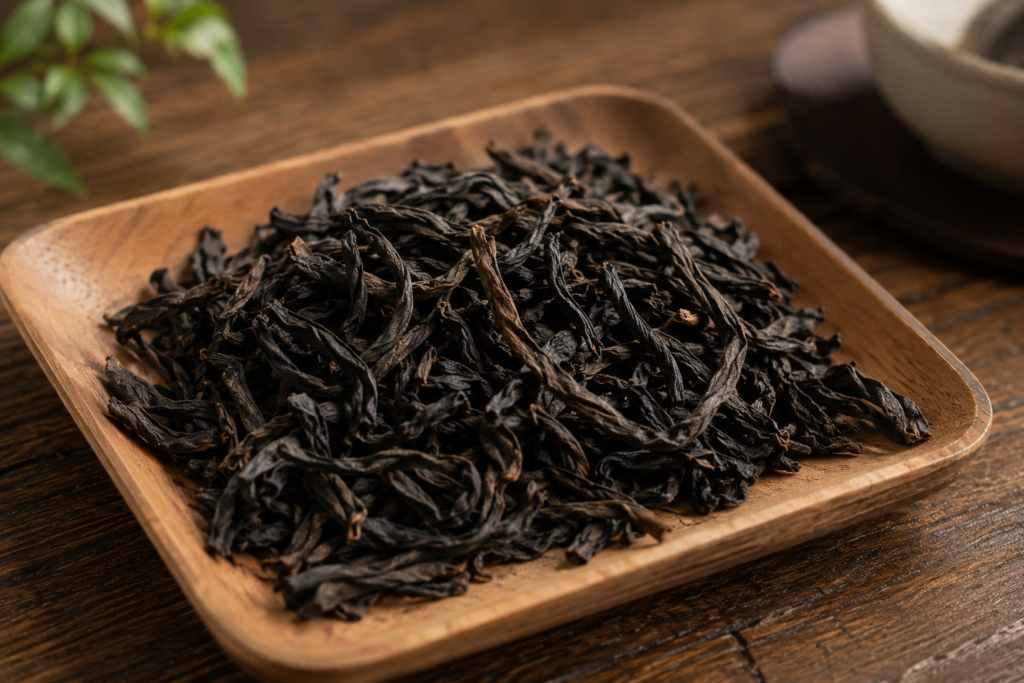
Leaf Appearance (Dry Leaves)
• Tightly rolled, somewhat thick strips
• Dark brownish-green with reddish edges
• Glossy and slightly oily look (healthy roast)
• Clean, no dust or broken bits
Aroma
Dry leaves should smell roasted, nutty, and a bit sweet. Avoid anything that smells burnt, sour, or almost no scent.
Tasting Notes
Honest sellers describe real flavors like “roasted chestnut, rock mineral, brown sugar, long sweet aftertaste.” Vague or overly poetic descriptions (“heavenly qi” etc.) are often marketing fluff.
3. Pay Attention to Roast Level
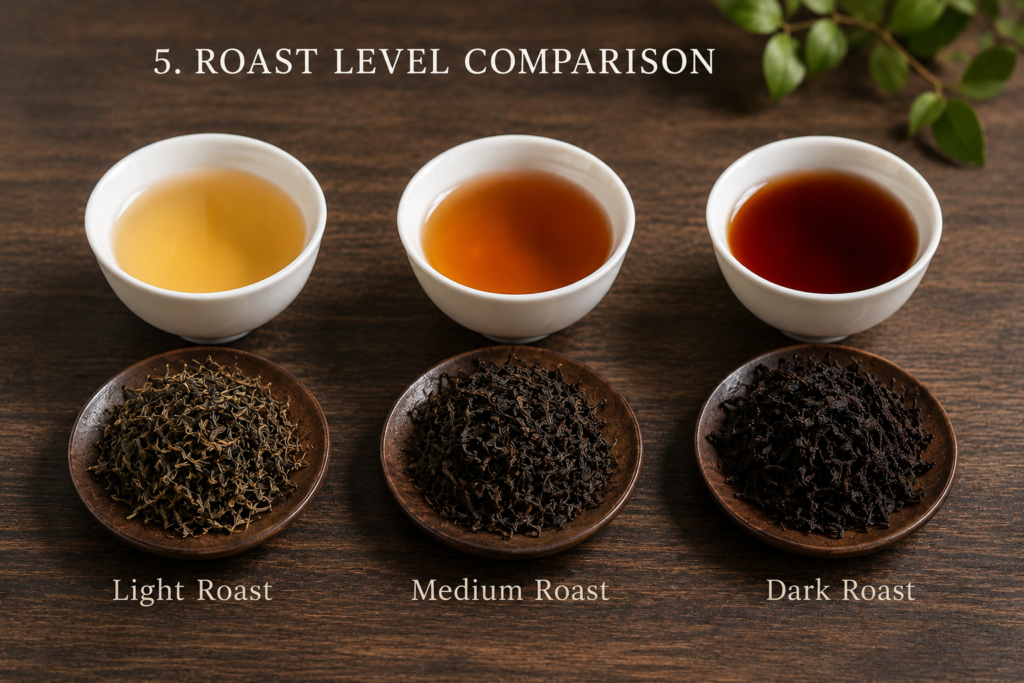
This is crucial for beginners.
• Light to medium roast: Easier to drink, more floral and sweet notes, less smoky. Best starting choice.
• Heavy traditional roast: Bold, charcoal, deeper mineral character. Can taste bitter or harsh if you’re not used to it.
Ask the seller or check reviews if the roast is light/medium/heavy. Many new drinkers prefer medium.
Common Pitfalls Beginners Should Avoid
• Buying the biggest, cheapest pack first
• Choosing based only on pretty packaging or “mother tree” claims (real mother tree tea is almost impossible to buy)
• Ignoring storage info — tea exposed to air or humidity loses flavor fast
• Trusting every “100% authentic” label without proof
Smart Beginner Buying Checklist
Use this quick list when shopping:
• Clear origin & harvest year listed
• Price makes sense (roughly $0.8–$2.5 per gram for good quality)
• Small pack size available (more on this below)
• Seller answers questions about the tea
• Real customer photos/reviews (not just five-star spam)
• Good return or sample policy
Why 8g–9g Individual Packs Are Perfect for You
Here’s my strongest recommendation for beginners: skip the big tins for now.
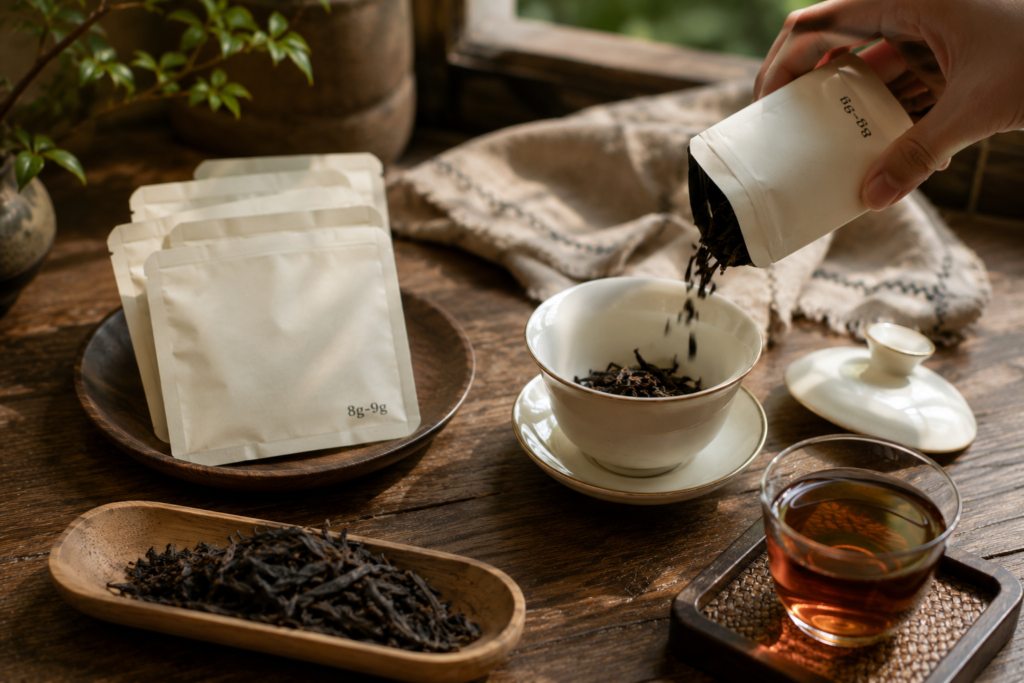
Small 8g or 9g packs are game-changers because:
• You can try 4–5 different Da Hong Pao styles without spending a fortune
• Each pack stays super fresh until you open it
• One pack gives you enough for several gongfu sessions or a few big pots
• No pressure — if one roast doesn’t click, you simply move to the next
This way you learn what you actually enjoy (lighter roast? more mineral? sweeter aftertaste?) before committing to larger amounts.
Ready to Pick Your First Da Hong Pao?
If you’re just starting, go for a medium-roast Da Hong Pao in small individual packs. It gives you that classic roasted sweetness and rock character without being too intense.
Many beginners tell me their first proper cup made them understand why people love oolong tea so much. It’s warm, comforting, and surprisingly complex.
Take your time, pick something from a transparent seller, and enjoy the journey. Great tea is meant to be explored sip by sip — not stress over.