
How Much Should Da Hong Pao Cost? A Beginner’s Guide to Pricing This Legendary Oolong Tea
You’ve heard the name Da Hong Pao and seen the dramatic stories online — it’s often called the “King of Tea.” But the moment you start searching to buy Da Hong Pao, the prices swing wildly from surprisingly cheap to eye-wateringly expensive.
So, how much should Da Hong Pao tea actually cost? And how can a beginner buy it wisely without wasting money or ending up disappointed?
If you’re new to tea and curious about this famous Chinese oolong tea, you’re in the right place. Let’s talk honestly about what drives the Da Hong Pao price, what realistic numbers look like today, and the smartest way for newcomers to get started.
What Is Da Hong Pao Tea?
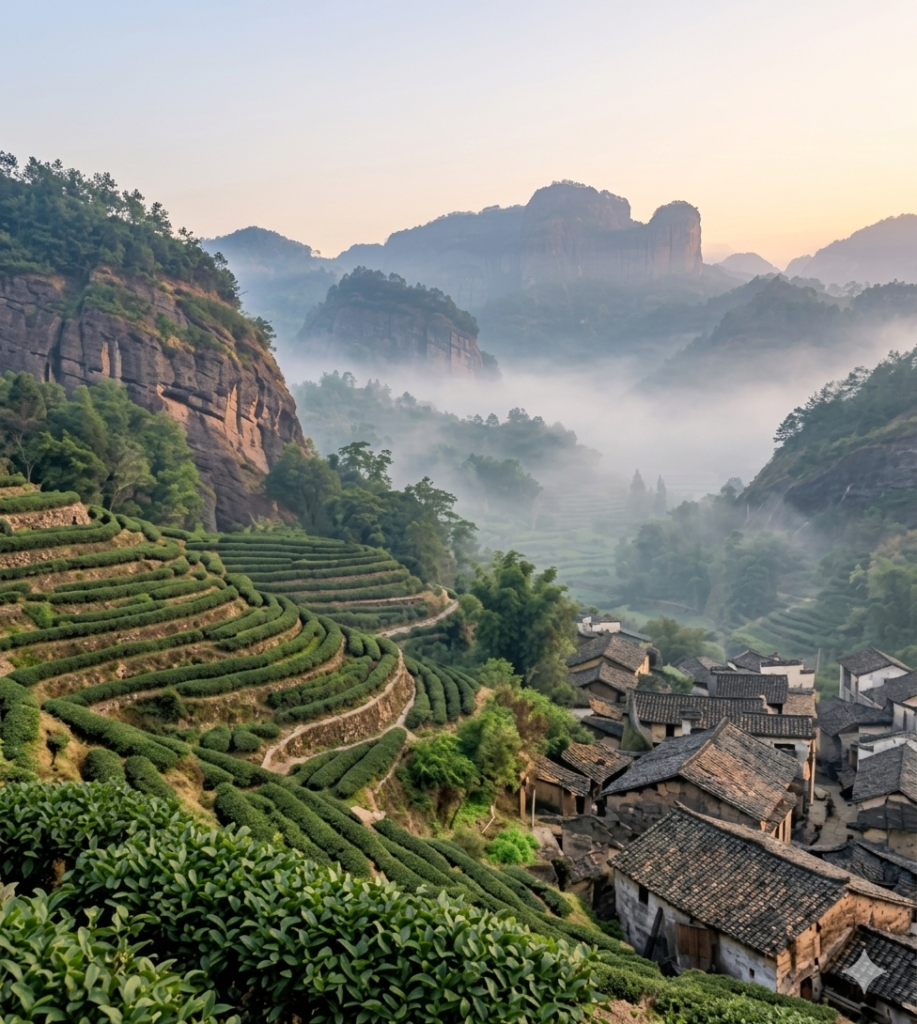
Da Hong Pao, which translates to “Big Red Robe,” is a traditional Wuyi rock oolong (yancha) from the Wuyi Mountains in Fujian, China. The rocky terrain and mineral-rich soil give the tea a distinctive “rock essence” — a deep, lingering minerality that experienced tea drinkers love.
The leaves go through a careful oxidation and heavy roasting process. When brewed, you can expect warm notes of roasted nuts, dark caramel, dried fruit, and sometimes a gentle smoky or woody character. The liquor is usually a rich amber to reddish-brown, and the aftertaste is famously long and pleasantly sweet.
One of the best things about Da Hong Pao is how well it re-steeps. A single serving can often give you 6 to 10+ flavorful infusions when brewed gongfu style, so each gram stretches further than you might think.
Why Da Hong Pao Prices Vary So Much
Not all Da Hong Pao is the same, which is why the Da Hong Pao price can differ dramatically.
1. Original Mother Trees vs. Propagated Bushes
There are only six ancient “mother” bushes left, protected on a cliff. Harvesting from them has been banned for years to preserve the plants. Almost all Da Hong Pao you can actually buy today comes from cuttings taken from those mother trees and grown in the broader Wuyi protected area. These are still authentic Wuyi rock oolong, just not from the original six bushes.
2. Quality Grade and Growing Location
Premium Da Hong Pao comes from older bushes in the best rocky cliff areas (zheng yan). Lower grades or blended versions may include leaves from surrounding regions. Higher-grade leaves tend to be more intact and deliver clearer mineral notes and complexity.
3. Harvest Season and Roasting Level
Spring harvests are generally more prized. The level of roasting also affects both flavor and price — traditional heavy charcoal roasting creates the bold, roasty character many people associate with classic Da Hong Pao.
4. Age and Storage Conditions
Well-aged Da Hong Pao can develop smoother, more refined flavors, which usually commands a higher price.
Realistic Price Ranges (2026 market):
- Budget / everyday Da Hong Pao: $10–$30 per 100g
- Good quality Wuyi rock Da Hong Pao: $40–$110 per 100g
- Premium or small-batch competition grade: $150+ per 100g
For most beginners, a pleasant and worthwhile Da Hong Pao tea sits comfortably between $15 and $60 per 100g.
Common Mistakes Beginners Make When Buying Da Hong Pao
Here are the traps I see new tea drinkers fall into most often:
- Buying based only on the “most expensive tea” legend instead of actual taste
- Purchasing large 500g or 1kg bags before knowing if they even like the flavor profile
- Choosing the cheapest option without checking origin or processing details
- Ignoring how the roast level matches their personal preference
- Not considering freshness and proper storage
Smart Buying Advice for New Tea Lovers
When you want to buy Da Hong Pao, keep these practical tips in mind:
- Look for sellers who clearly mention the origin (Wuyi Mountains), harvest year, and roasting style.
- Focus on value per gram rather than the total package price.
- Read honest customer reviews that talk about aroma, number of steepings, and aftertaste.
- Start small so you can try a few different options without big commitment.
The goal isn’t to chase the most expensive version. It’s to find a Da Hong Pao that you genuinely enjoy drinking.
Why Beginners Should Start with Small 8g–9g Individual Packs
My strongest recommendation for anyone new to oolong tea or Da Hong Pao is this: begin with small individual packs of 8g or 9g.
Here’s why these tiny packs are actually the smartest choice:
- Low risk: You can try several different Da Hong Pao teas without spending much.
- Maximum freshness: Each pack is sealed until you open it, so the tea stays at its best.
- Perfect portion size: An 8–9g pack is ideal for 2–3 gongfu sessions or one larger Western-style brewing.
- Easy to learn with: You can experiment with brewing times and temperatures without wasting tea.
- Build confidence gradually: Once you know what you like, you can comfortably move to larger amounts.
Many beginners who start with big bags feel overwhelmed or end up with tea they don’t finish. Small packs remove that pressure and make the whole experience more enjoyable.
How to Brew Da Hong Pao Simply
For beginners, keep brewing straightforward:
- Use 5–8g of leaf per 100–150ml of water (water temperature around 195–205°F / 90–96°C).
- First steep: 20–40 seconds, then gradually increase time for later infusions.
- Or Western style: 3–4g per 8oz cup, steep 3–5 minutes.
The leaves will open up beautifully and reward you with changing flavors across multiple steepings.
Ready to Give Da Hong Pao a Try?
If you want something easy and low-pressure to start with, the 8g–9g individual packs are perfect. They let you explore this legendary oolong tea at your own pace, without any big commitment.
You don’t need to buy the rarest or most expensive version to enjoy great tea. A well-made, fairly priced Da Hong Pao can deliver real pleasure and a genuine taste of Chinese tea tradition.
Take it step by step, brew mindfully, and let the tea speak for itself. Once you find one you love, you’ll understand why so many people are passionate about Da Hong Pao.
Happy sipping — your first cup is waiting.